
Bath, in England, possesses mineral-rich hot springs. In 43 AD, the Romans began the development of Bath as a bathing complex. Since the Roman period, the area’s natural thermal springs have been the center of Bath’s attraction. “One would think the English were ducks, they are for ever waddling to the waters“, said Horace Walpole in 1790.
In the Georgian and Regency era, the city became the height of upper society chic with splendid architecture, elegant shopping, opulent bathing rooms and grand assembly rooms (think Jane Austen).
.

Roman bath
.Taking the waters became fashionable and spa towns flourished. Wherever wealth and breeding discovered new and exclusive waters, making them into fashionable spas, the towns developing around them.
Such a smell
Around the end of the 17th century, a visitor to Bath, Celia Fiennes, complained that water from the spring was “very hot and tastes like the water that boyles eggs, has such a smell.”
.
 The waters
.
Today you can still “take the waters” at Bath. A Pump Room attendant will happily draw you a generous glass of malodorous, lukewarm water directly from Bath’s famous springs, and you can sip it while pondering the history of the spa.
Therapeutic value
Mineral springs are naturally occurring springs that produce water containing minerals, or other dissolved substances, that give it its therapeutic value.
Salts, sulphur compounds, and gases are among the substances that can be dissolved in the spring water during its passage underground. The ingredient in that malodorous water that smells like eggs is sulphur.
.
 Soaking in Hot Sulfur Springs
.
As you drive into Glenwood Springs, Colorado, you can smell the springs before you can see them! The distinctive rotten eggs smell of sulphur is everywhere.
Sulphur
Sulphur has been called “the forgotten nutrient”. It is, however, emerging as a key player in the process of methylation.
We now know that, in this process, the body uses sulphur to add methyl “donors” to various molecules in the body – proteins, DNA, neurotransmitters, etc. – to keep them clean, healthy, and operating well.
Without successful ongoing methylation, DNA is left vulnerable to mutation, detoxification is impaired, the mitochondria (powerhouses) of our cells become exhausted, and we get fatigued and sick.
.
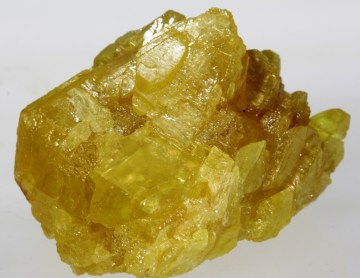 Sulphur
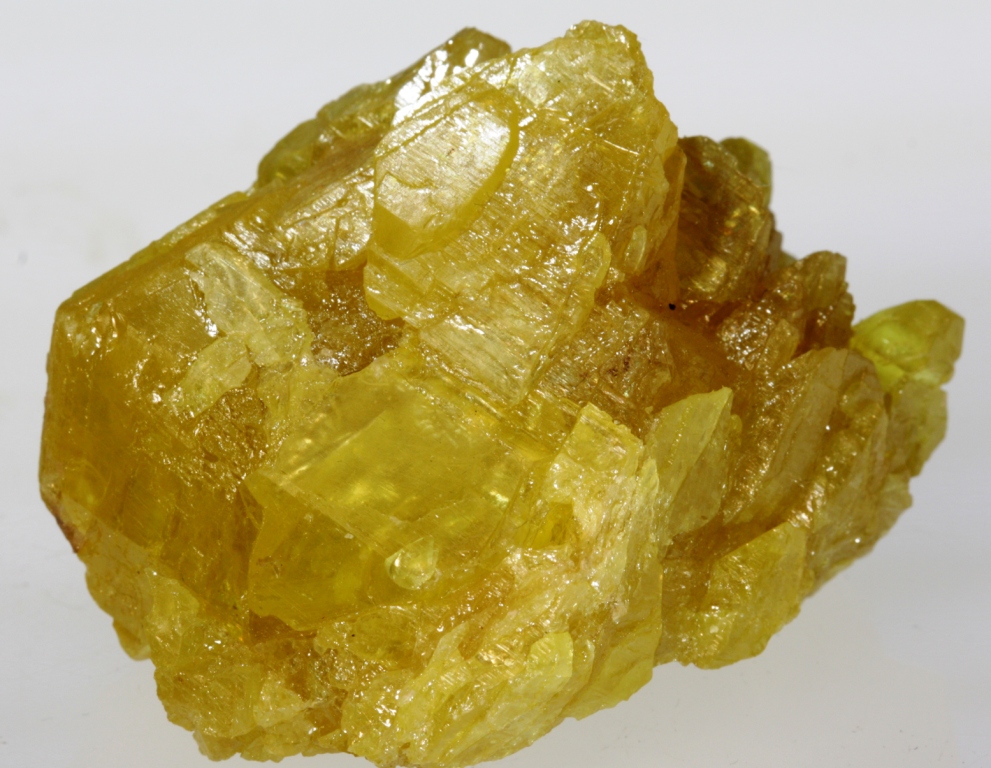
.The methylation cycle regulates the entire sulphur metabolism in the body. The role of the methylation cycle in the sulphur metabolism is to supply sulphur-containing metabolites to form a variety of important substances, including cysteine, glutathione, taurine and sulphate, via its connection with the transsulphuration pathway. This cycle balances the demands for methylation and for control of oxidative stress (think glutathione).
Magnesium
Magnesium plays a vast number of roles in the body including regulating the activity of over 325 enzymes, including those involved in the methylation cycle.
Sulphur helps improve the absorption of nutrients, and flush toxins out of the body. Both magnesium and sulphur are involved in the production of glutathione.
Research shows that magnesium also increases energy and stamina by encouraging the production of ATP (adenosine triphosphate), the energy produced in the mitochondria.
Correct magnesium and sulphate levels increase the effectiveness of insulin in the body, helping to lower the risk or severity of diabetes.
Bicarbonate
Magnesium and bicarbonate are mutually reinforcing because magnesium functions as a bicarbonate co-transporter into the cells. And bicarbonate acts as a transporter of magnesium into the mitochondria. Anything that moves the body from overall acid conditions toward alkaline is going to enhance cell metabolism via mitochondrial optimisation.
Bicarbonate ions, working alongside magnesium, naturally create the conditions for increased glucose transport across cell plasma membranes. Bicarbonate ions create the alkaline conditions for maintaining the enzyme activity of pancreatic secretions in the intestines. Bicarbonate neutralises acid conditions which cause inflammatory reactions. Hence sodium bicarbonate can be of benefit in the treatment of a range of chronic inflammatory and autoimmune diseases.
Magnesium does not readily reach the mitochondrion but, if plenty of bicarbonate is available, the bicarbonate will act as transport into the mitochondrion. Higher pH levels and the bicarbonate itself will help the magnesium leave the blood serum driving it into the cells. Here the bicarbonate will carry it from the cytoplasm into the mitochondria where, in cases of chronic disease, it is desperately needed.
Increases energy production
ATP or Adenosine Tri-Phosphate is the energy unit of the cell. It’s one of the most important and major energy sources of the body. It is used in almost all the functions and is produced by two major processes: glycolysis and the citric acid cycle (Krebs cycle).
Magnesium bicarbonate buffers the mitochondria in body cells from excess acid concentrations, which improves mitochondrial function and allows more ATP to be produced. When more ATP can be hydrolysed and more ATP can be produced, body cells have sufficient energy for optimum function. Thus magnesium and bicarbonate, when used together, can considerably increase energy production in the cells of the body
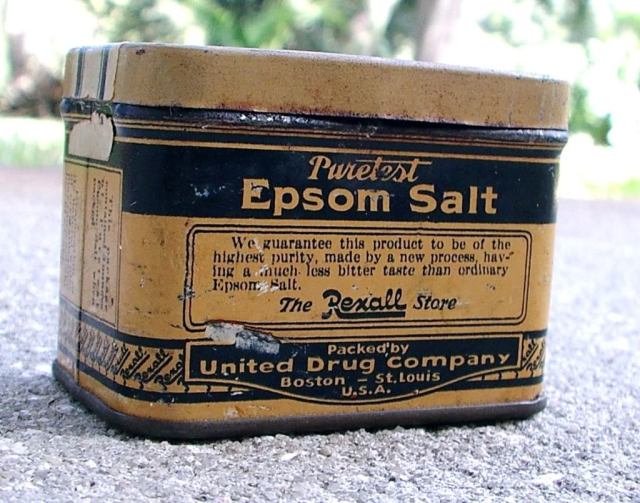
Epsom salts
Celia Fiennes (1662-1741) travelled extensively to improve her health, visiting many English spa towns. Not only did she complain about the smell of the water in Bath, she wrote about Epsom too; “Monday is the high day in Epsom”
Monday was in fact the ordinary day for the kinds of recreation not permitted on Sunday, until the later invention of the weekend. From the early seventeenth century, people had flocked to places where sulphur-rich waters were readily available. One of the earliest of these places was Epsom.
.
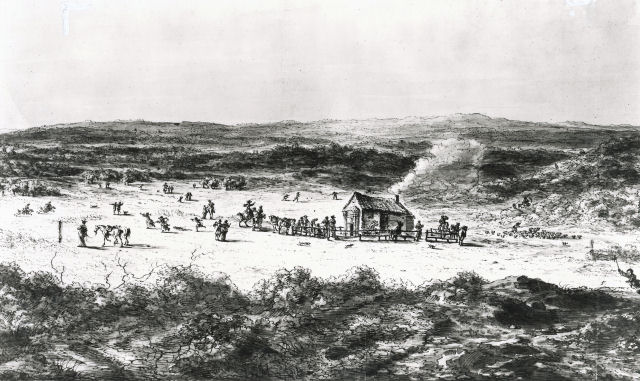
An artist’s impression of Epsom Common with an early well building
.
The healing powers of the waters were discovered in 1618 or thereabouts. A villager called Henry Wicker was looking after animals on Epsom Common in a dry summer, when there was a shortage of water for cattle. He found a trickle of water in the hollow hoofprint of a cow, and dug a square hole about it before taking the animals home for the night.
Returning the next day he found the hole that he had made was full and running over with clear water. But his cattle, however thirsty, would not drink from it because of its mineral taste.
Wicker tried the water himself, and was the first person in history to experience the effects of Epsom salts. Enthusiastically, he set about promoting the waters as a medicine – and Epsom Salts eventually became known all over the world.
.
.
The forgotten nutrient is enjoying a comeback. We’re rediscovering the health benefits of sulphur as science reveals it’s role in methylation.
Click here for details of a study that demonstrated
the effectivness of transdermal Epsom Salts
.
Eat up your greens!
Grandmother was right! Dark green leafy vegetables are good for you – they’re rich sources of both magnesium and sulphur (provided they’ve been grown on soild that hasn’t been depleted of minerals).
.
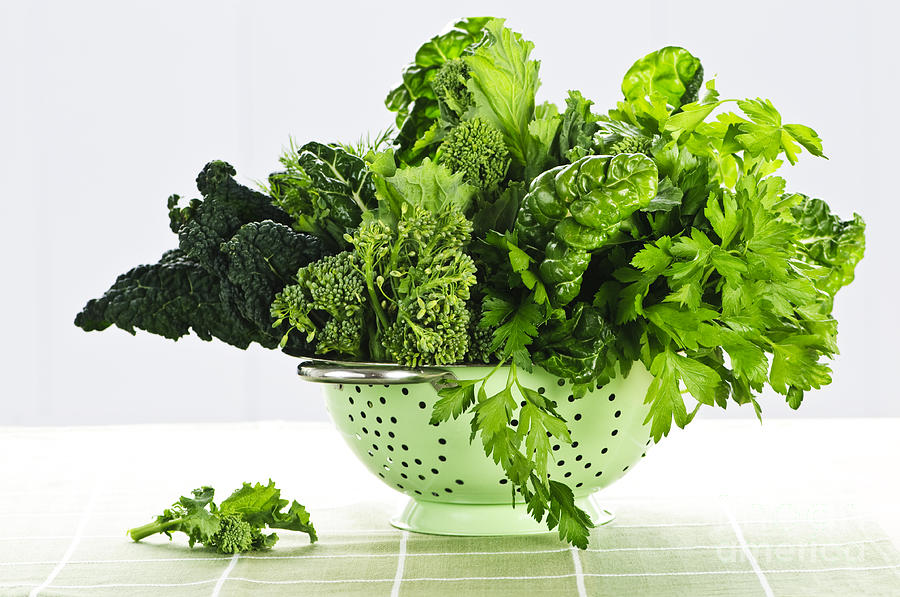
Broccoli, cauliflower, cabbage, kale, kohlrabi and other
cruciferous vegetables – rich in sulphur and magnesium
.
Onions, garlic, leeks, shallots, chives and other members of the Allium genus are high sulfur-containing compounds
Because sulphur is a component of amino acids, you derive much of the sulphur that you need from protein-based foods like beef, chicken and fish. Vegans can use legumes like beans and lentils as a protein source to meet their sulphur requirements. Egg yolks are another sulphur-rich food.
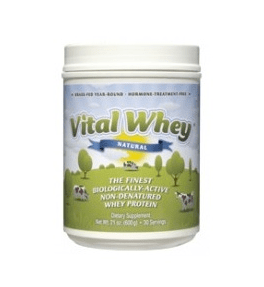 One of the most valuable sources of sulphur is undenatured whey powder – rich in sulphur-containing cysteine and methionine. The methylation cycle (also called the methionine cycle) is a major part of the biochemistry of sulphur and of methyl groups in the body – and the production of glutathione.
The methylation cycle is also tightly linked to folate metabolism and is one of the two biochemical processes in the human body that require vitamin B12 (the other being the methylmalonate pathway, which enables use of certain amino acids to provide energy to the mitochondria of the cells).
.
 Sparkling San Pellegrino,
one of the few mineral waters
that contain sulfate ions
If you haven’t already done so, read:-
Epsom Salts body lotion
You might also like to read:-
Magnesium bicarbonate lotion
.
Next
.
 Food For Thought